




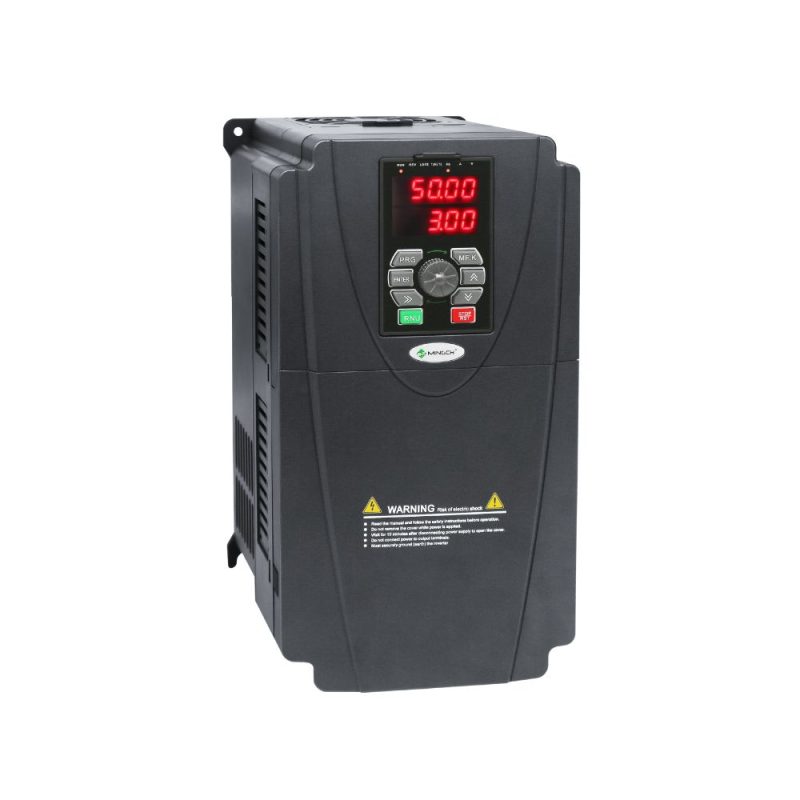
Variable frequency drive troubleshooting plays a critical role in keeping production lines running smoothly. Peer industry surveys show that up to 60% of VFD downtime stems from OC, OV, or GF faults—so understanding these errors can save significant time and money. In this guide, we’ll walk you through common fault codes, step-by-step fixes, top manufacturers, and when you should rely on expert variable frequency drive repair services.
Understanding VFD Fault Codes (OC, OV, GF)
A variable frequency drive (VFD) adjusts motor speed by changing the input frequency. Faults like OC, OV, and GF serve as alarms when the drive senses unsafe electrical conditions.
OC (Overcurrent)
- Causes: motor overload, short circuit, sharp acceleration/deceleration
- Symptoms: drive trips at start-up or under load
OV (Overvoltage)
- Causes: regenerative energy (e.g., sudden deceleration), power spikes, long cable runs
- Symptoms: VFD trips when braking or when grid voltage surges
GF (Ground Fault)
- Causes: insulation failure in motor/wiring, moisture, damaged leads
- Symptoms: immediate shutdown with residual current alerts
Understanding these codes—collectively known as variable frequency drive fault codes—is the first step to tackling issues efficiently.
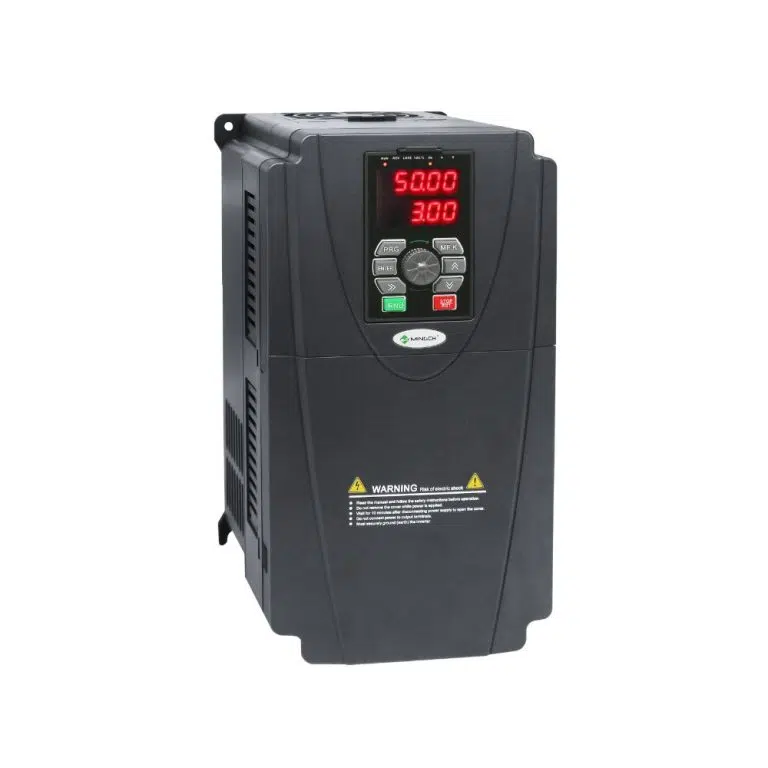
Step-by-Step Troubleshooting Guide
Variable frequency drive troubleshooting: how do you do it? Once you know what the fault code means, follow a systematic approach to fix it. Start by analyzing the fault code history on the VFD screen or through any connected software. Then, go through these key checks:
1. Inspect the motor and wiring
Look for burned connectors, frayed wires, or abnormal smells.
- OC issues often point to motor overload or physical blockages.
- GF requires testing insulation resistance using a megger.
2. Review VFD settings
Check your acceleration/deceleration times. If they’re too fast, current can spike and cause OC or OV.
- Adjust ramps for a smoother start.
- Reference Mingchele’s VFD catalog (pages 45–50) for optimal settings.
3. Check the power supply
- OV faults can happen if grid voltage is unstable.
- Add surge protection or filters if voltage varies often.
4. Clear the fault and test under load
Reset the drive and run it with a normal load. If the fault recurs, there’s a deeper issue.
5. Document your findings
Log fault codes, dates, fixes, and results. Over time, this makes future troubleshooting faster.
By handling faults in order—first the motor, then the drive, then the power source—you can usually solve the issue without guesswork.
When to Call Variable Frequency Drive Repair Services
Even with a solid plan, not every VFD issue can be solved in-house. Knowing when to bring in experts can prevent bigger problems and reduce long-term costs.
- Repeated Faults: Likely a deeper internal issue like board or IGBT failure
- OC/GF During Normal Operation: Could indicate a failing motor or misconfigured load
- Drive Won’t Reset: Usually points to hardware damage needing professional tools
In these cases, relying on variable frequency drive repair services ensures the problem is properly diagnosed and repaired.
When It’s Time to Replace Your VFD Instead of Repairing
Repair isn’t always the best path. Sometimes, replacement is faster, more reliable, and more cost-effective. Here’s when you should stop fixing and start upgrading:
- The drive is outdated: If the VFD is over 10 years old, parts may be hard to find—or it may lack compatibility with newer motors.
- Frequent breakdowns: A drive that fails monthly is costing you more in lost production than it would to replace.
- Power or load demands have changed: If your system has been upgraded but you’re still using an undersized VFD, performance will suffer.
- Better tech is available: Newer VFDs offer real-time monitoring, efficiency modes, and smart integration with PLCs.
Before you shop, check your motor specs—voltage, phase, amperage, and control method. Use our catalog (pp. 45–50) or browse our factory automation solutions to find models that match your setup.

Variable Frequency Drive Troubleshooting: Conclusion
Whether you’re fixing a fault or looking to upgrade, Mingchele provides what B2B operations need most: speed, reliability, and expertise. Here’s how we help:
- Full line of variable frequency drives ready to ship
- Expert repair services for diagnosing and replacing critical components
- Product matching support based on your specs, not just sales pitches
- Detailed catalogs and technical documentation so your team can self-serve where possible
Need support now? Contact us for a quote or consultation.


