




Variable frequency drive energy savings are more than a catchphrase—they’re a measurable way to reduce operating costs while boosting system performance. For commercial and industrial sites managing HVAC loads, deploying VFDs is a straightforward strategy to gain efficiency, improve control, and see quick payback.
What Is a Variable Frequency Drive and How It Works in HVAC
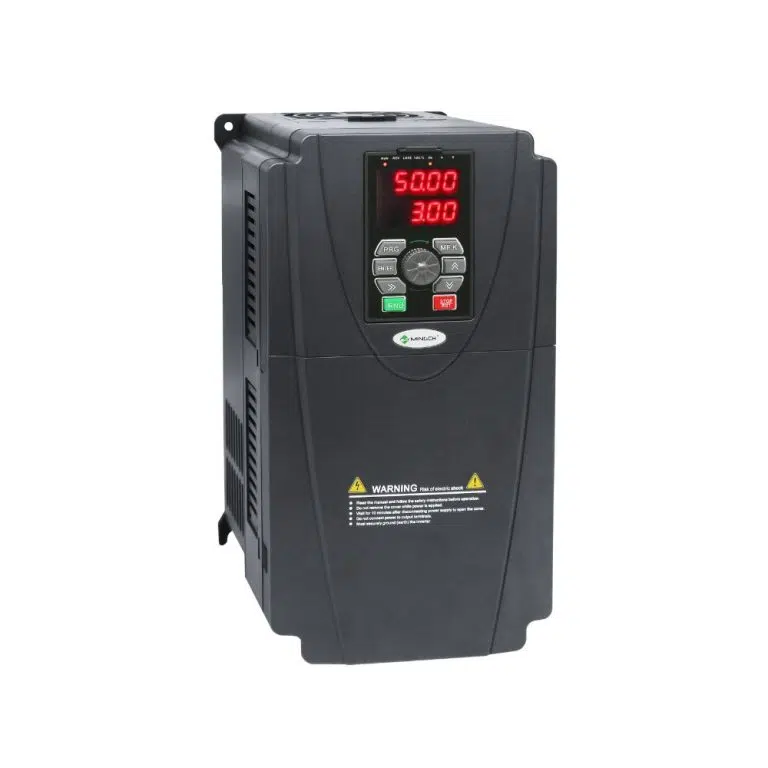
A VFD changes the input frequency and voltage to control how fast and how hard a motor runs. In HVAC systems, they’re often used on fans, pumps, and compressors. Instead of running these motors at full speed all day, a VFD lets them scale up or down based on real-time demand.
For example, if a building only needs 60% cooling load, a VFD will adjust the motor to run accordingly—cutting energy use without sacrificing comfort. This is particularly important for systems where demand fluctuates constantly, like in large office buildings, data centers, or hospitals.
Common applications include:
- Air handling units (AHUs)
- Cooling towers
- Chilled water and condenser water pumps
- Exhaust and supply fans
Using a variable frequency drive HVAC setup gives you precision control—and that’s where the savings begin.
Where the Energy Savings Come From
Most commercial HVAC systems are sized for peak demand, which may only occur a few days a year. As a result, the system often operates below peak efficiency. A VFD adjusts motor speed to match actual load conditions. The savings are significant because of the fan and pump affinity laws:
- Dropping fan speed by just 20% can lead to nearly 50% energy savings.
- A 50% speed reduction can drop energy use by nearly 88%
With a variable frequency drive fan, the power consumption drops dramatically as speed lowers. Instead of using mechanical dampers or throttling valves—which waste energy—VFDs cut power draw at the source. This translates to real cost savings, especially in systems that run 24/7 or have long duty cycles.
How Much Energy Can You Save?
Typical energy savings with VFDs in HVAC range from 20% to 50%, depending on site usage patterns. Cost and ROI break down like this:
- Higher upfront cost, but quickly offset by:
- Lower electricity bills
- Reduced maintenance from smoother motor operation
- Simple payback usually within 12–24 months
For exact specs and application suggestions, check the Mingch product catalog (p. 45–50) — it breaks out performance curves, part-load efficiency, and motor compatibility.
Connecting Variable Frequency Drive Cost to ROI
Understanding variable frequency drive cost and ROI is vital for your business case. Here’s what procurement and engineering teams should consider:
- Initial price vs. long-term savings: While VFDs are pricier than standard starters, they start cutting energy costs right away.
- Return on investment timeframe: Most setups pay for themselves within 1 to 2 years under standard commercial power rates.
- Ongoing operational value: VFDs reduce wear-and-tear, cut peak demand charges, and offer remote monitoring capabilities.
The ability to calculate VFD savings accurately means your project proposals can confidently show a positive cash flow and reduced total cost of ownership.
How Mingch VFDs Maximize HVAC Efficiency
Mingch VFDs are built to optimize energy use and easily fit into HVAC systems. Here’s how they stand out:
- Plug-and-play compatibility with standard control signals and feedback loops
- Smart functions like:
- PID loop control for stable pressure/temperature
- Ramp-starts for smooth load transitions
- Auto-tuning to optimize V/Hz curves
- Robust design for continuous use in harsh environments
- Global support and full product life-cycle planning
You can explore the full product range on Mingchele’s VFD page and learn how to match the right model to your system.
Variable Frequency Drive Energy Savings: Conclusion
Variable frequency drive energy savings aren’t just technical jargon—they’re a real, proven way to reduce HVAC operating costs. Whether you’re managing a high-rise office or an industrial site, installing VFDs lets your motors work smarter, not harder.
With tools like What Is a Variable Frequency Drive fan controls and energy-smart integration, Mingch solutions give your facility a cost-effective edge. If you’re serious about slashing energy bills, extending equipment life, and boosting system control, it’s time to consider upgrading to a VFD.
Explore our VFD catalog or connect with us for tailored recommendations to fit your HVAC setup.


