




Variable frequency drive pumps are the standard for efficient water management.
The global market for VFDs is forecasted to grow from $21 billion in 2023 to nearly $40 billion by 2032, fueled by rising energy costs and stricter performance demands in pumping systems.
Industry leaders like Grundfos, Xylem, and Franklin Electric have widely adopted VFDs to reduce energy use, extend equipment life, and deliver consistent water pressure across systems. From irrigation to industrial setups, the shift is clear.
At Mingchele, we help OEMs and system integrators make that transition seamless. Our lineup of variable frequency drive pumps is designed for performance, flexibility, and long-term energy savings. This guide will walk you through what VFDs do, how to choose the right one, and how to unlock real savings in your pump systems.
What is a Variable Frequency Drive Pump?
A variable frequency drive pump uses a VFD to adjust motor speed based on actual flow pressure needs—unlike traditional pumps that run full tilt every time. This means you only use the energy necessary, reducing wear and lowering peak demand.
Types of VFD‑driven pumps include:
- Variable frequency drive water pump: Ideal for HVAC, water treatment, and circulation systems.
- Variable frequency drive well pump: Ensures steady groundwater extraction without dry runs or spikes.
- General variable frequency drives for pumps: Used in industrial, agricultural, or cooling tower systems.
These setups enhance control, efficiency, and reliability across applications.
5 Key Benefits of VFDs for Pumps
A variable frequency drive pump isn’t just a modern upgrade—it’s a practical, cost-saving solution that solves real problems in water and fluid systems. Here’s what it brings to the table:
1. Lower Energy Bills—Significantly
VFDs adjust motor speed to match flow demand. That means no wasted power running full speed when it’s not needed. In irrigation and industrial systems, this simple shift can cut energy use by 30–60%, depending on the application.
2. Consistent Pressure and Flow
Unstable water pressure can lead to pipe damage and uneven irrigation coverage. VFDs regulate motor output to maintain steady pressure—even as demand changes. That’s especially useful for variable flow systems like wells and crop zones. To understand more about the fundamentals of regulating power, you can learn what voltage regulation is.
3. Longer Equipment Life
Starting a pump at full power causes wear and tear. VFDs use soft-start and soft-stop functions to reduce mechanical stress on motors, seals, and piping. The result: fewer breakdowns and longer equipment lifespan.
4. Built-In Safety Protections
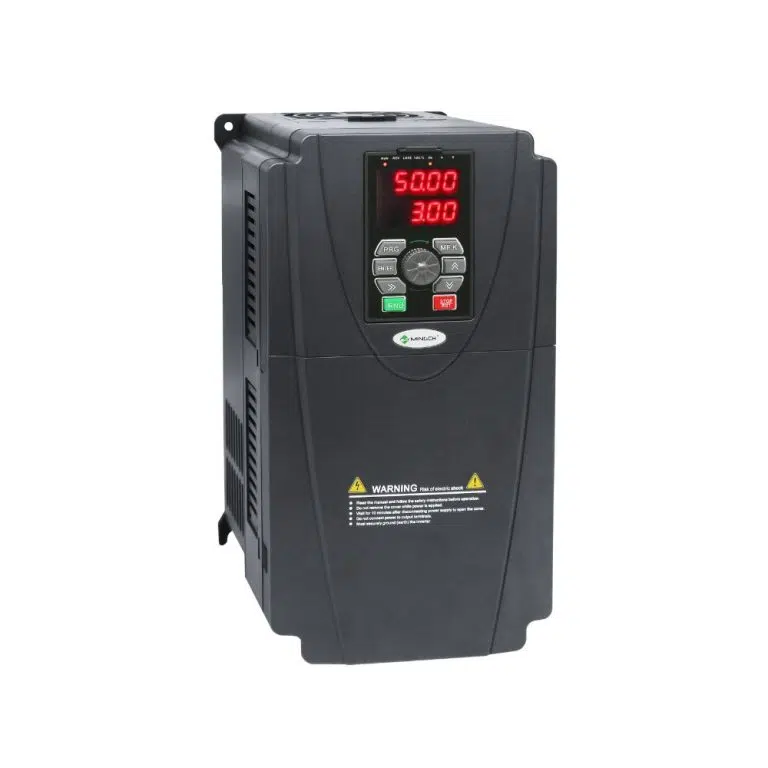
Most VFDs come with integrated protection features—dry-run prevention, overload detection, and voltage control. These safeguards are essential for unpredictable environments like farms, wells, and outdoor systems. A reliable TNS-30kVA high precise three phase automatic AC voltage regulator is an example of equipment designed for such demands.
5. Smarter Operation
Many modern VFDs include programmable logic, PID controllers, and remote monitoring. It delivers accurate control without requiring a separate panel or extra components.
VFD Applications by Pump Type
- Variable frequency drive water pump systems optimize municipal, HVAC, and recirculation flows—minimizing idle-running and conserving electricity.
- A variable frequency drive well pump maintains steady pressure despite fluctuating groundwater levels. Its diagnostics guard against dry-running and pressure spikes.
- In irrigation systems, VFD pumps adjust flow rates accurately to deliver even water distribution and significantly cut down on water waste.
Need the right VFD? Check out our full range of industrial electrical products.
How to Choose the Right Variable Frequency Drive
Selecting the right variable frequency drive pump isn’t just about horsepower. It’s about making sure the drive matches your system’s operating conditions, load type, and control requirements. A mismatched VFD can lead to inefficiencies, premature wear, or even total system failure.
To make an informed choice, consider the following:
Match Motor & Load Type
Not all pumps are the same. Centrifugal pumps usually require constant torque drives, while other systems may benefit from variable torque handling. Check the load profile before selecting.
Voltage & Power Rating
Your VFD needs to align with the motor’s specified voltage, phase, and horsepower to operate correctly. Common industrial setups use 220V or 380V, single or three-phase.
Environmental Considerations
Dust, humidity, or high heat? Choose VFDs with the right protection rating (e.g., IP54 or higher) and heat management.
Control Integration
Does your system use PLCs, SCADA, or analog sensors? Make sure the VFD supports the correct interface and control features like PID control or remote start/stop.
Built-In Protections
Essential for systems like variable frequency drive well pumps and irrigation setups. Choose VFDs that include built-in protection for surges, overcurrent, dry-run conditions, and voltage fluctuations.
6 Common Mistakes to Avoid When Using VFDs in Pump Systems
Installing a variable frequency drive pump is a smart move—but only if it’s done right. These are the mistakes we come across most often—and how you can steer clear of them.
- Undersizing or Oversizing the VFD: It’s essential to match the VFD to the real-world operating conditions of your motor. A VFD that’s too small can overheat or fail, while one that’s too large may cause instability or unnecessary costs.
- Skipping Proper Load Analysis: Not all pumps operate the same. Failing to account for the system’s torque demands—especially under varying flow rates—can lead to poor performance or efficiency loss. Learn more about the differences between resistive, capacitive, and inductive loads to better understand these demands.
- Ignoring the Environment: Dust, moisture, and high temperatures can quickly damage a VFD not designed for harsh conditions. Make sure the unit’s IP rating and cooling system match your site.
- Incorrect Parameter Settings: Improper configuration of start/stop ramps, PID loops, or pressure limits can cause cycling issues, system inefficiencies, or even pump damage.
- Poor Wiring and Grounding: VFDs require proper shielding and grounding. Mistakes here can cause electromagnetic interference (EMI), which affects sensors, controls, and drive function.
- No Routine Monitoring: Just because a system runs smoothly at first doesn’t mean it stays that way. Regularly check logs, alarms, and load readings to prevent small issues from becoming major failures.
Variable Frequency Drive Pump: Final Thoughts
Deploying a variable frequency drive pump means more than cutting energy costs—it’s about smarter systems, longer equipment life, and effective resource management. Whether you’re upgrading a variable frequency drive well pump, optimizing an irrigation setup, or deploying high-capacity industrial drives like the MC9001-4T0220 frequency converter, VFDs deliver measurable results.
Mingchele offers reliable, customizable variable frequency drives for pumps—designed for B2B clients who demand performance. Explore our product range or learn about the applications of industrial variable frequency drives to discover the right solution for your needs.
Ready to transform your pump system? Contact Mingchele today.


