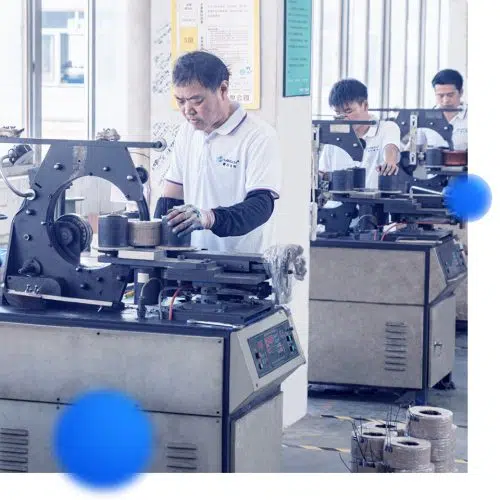




Industrial voltage regulators keep textile machinery running smoothly by protecting ring spinning frames, high-speed winders, and dyeing equipment from power fluctuations. When voltage drops or spikes occur, these systems can cause and costly production delays that can halt textile lines for hours.
Why Textile Plants Need Stable Power
Modern textile manufacturing depends on precision machinery and computer-controlled processes that are highly sensitive to power quality. Ring spinning frames create delicate yarns at extreme speeds, automated looms weave complex patterns, and dyeing machines maintain exact temperatures and chemical ratios for consistent color results.

When voltage fluctuates, it can disrupt entire production lines. Textile operations are especially vulnerable to voltage drops, particularly spinning processes that often result in significant financial losses or equipment shutdowns.
Problems cascade through interconnected textile processes when power fluctuates. A voltage dip during yarn spinning might weaken the yarn due to reduced motor speed or tension, leading to breaks when that yarn is later woven. A momentary surge could disrupt an automated dyeing cycle, causing improper heating or mixing that results in color variations across fabric batches.
Even a two-cycle voltage sag lasting just a few milliseconds can cripple a textile line for hours, requiring cleanup of in-process material, rethreading of yarn, and resetting of systems before production can resume. These lost hours directly impact productivity and profitability.
Specific Power Quality Challenges in Textile Operations
Textile plants face unique power supply challenges that can disrupt production if not properly managed:

Sensitive High-Speed Equipment
Ring spinning frames and high-speed winders operate at extreme speeds using electronic controls to maintain precise tension, speed, and twist parameters. Small voltage changes can disrupt these sensitive processes. Variations of just a few percent in voltage may alter a motor’s speed or torque enough to cause inconsistent yarn quality or broken filaments.
Constant Motor Activity
Textile factories run hundreds of motors, from large drive motors on spinning frames and looms to pumps, fans, and compressors for air handling and dye circulation. Starting a large voltage regulator for a Chinese 15hp motor on a dyeing pump or air compressor draws a surge of current that causes noticeable voltage dips on the supply line, potentially affecting other equipment on the same feeder.
Harsh Environmental Conditions
Textile mills have large amounts of cotton lint, dust, and fiber flying in the air, especially in spinning and knitting areas. High ambient temperatures and humidity in dye houses and drying rooms stress electrical equipment. A voltage stabilizer for factory applications must withstand these conditions without degradation.
How Voltage Regulators Provide Critical Stability
Industrial voltage regulators in textile plants act as safeguards between the utility supply and production machinery, continuously monitoring incoming voltage and instantly correcting deviations.
Protecting Electronic Controls
Sophisticated control systems in modern textile machinery, including PLCs, drive controllers, and sensors, need a stable voltage within tight tolerances. Regulators prevent over-voltages and under-voltages from reaching machines, avoiding unexpected resets or errors that power disturbances cause.
Stabilizing Motor Performance

Motors behave differently under varying voltage. If voltage dips, motors draw more current to maintain torque, often running hotter and potentially slipping out of sync. If voltage spikes, it can saturate motors or stress insulation. Voltage regulators keep the supply to motors within optimal ranges, so they run at steady speed and torque as intended.
Maintaining Process Consistency
Dyeing machines use electric heaters to maintain precise temperatures. A voltage dip could drop temperature, while a surge could overshoot it, both potentially causing shade variations or uneven dye uptake in fabric. By holding voltage constant, regulators ensure process variables remain stable, with pumps delivering steady flow rates and heaters providing consistent heat.
MINGCH Electrical designs voltage regulation systems specifically for these textile challenges. Our SBW series three-phase stabilizers handle large equipment loads on factory floors, whereas TND/SVC automatic regulators work well for smaller machines or sensitive single-phase control circuits.
Real Benefits for Textile Operations
Here are the advantages of using proper voltage regulators in a textile factory:
- Better product quality: Stable voltage means consistent processes and fewer defects. Yarns produced with stable tension and twist have more uniform strength. Fabrics woven without electrical interruptions have far fewer flaws.
- Less material waste: Power problems often force operators to scrap material mid-process. If a loom stops suddenly, the panel might be ruined. Voltage regulators prevent these incidents, significantly cutting waste and ensuring more raw materials end up as saleable products.
- Longer equipment life: Repeated exposure to voltage fluctuations damages machines. Undervoltage causes motors to run hot and contactors to chatter. Steady voltage shields equipment from these stresses, extending lifespan and reducing maintenance costs.
- Higher production uptime: Voltage stabilizers help keep textile production lines running by smoothing power bumps that would otherwise cause nuisance trips or process interruptions. Facilities with regulated power experience far fewer random stoppages, improving overall equipment effectiveness.
Key Technical Considerations for Textile Applications
When choosing an industrial voltage regulator for your plant, make sure to consider:
Rugged Environmental Design
Regulators need IP-rated enclosures that prevent dust ingress and handle high humidity. Features like sealed or filtered air paths, conformal coating on circuit boards, and over-temperature alarms ensure units continue operating in cotton-dusty, high-humidity environments.
High Regulation Precision
Textile processes have tight tolerances, requiring voltage regulators to hold output within ±1-2% of nominal voltage despite input fluctuations. This precision keeps sensitive equipment operating optimally and maintains things like motor speed stability and heater power levels for consistent process results.
Fast Response to Fluctuations
Regulators must react within fractions of a second to prevent machine trips. Quality servo or electronic stabilizers typically correct to desired voltage in under 1 second, ensuring even short sags lasting only a few cycles are corrected fast enough that connected equipment rides through without shutting down.
Robust Protection Features
Voltage regulators should include over-voltage and under-voltage cut-off, phase loss protection for three-phase systems, and surge suppression. These safeguards ensure that if incoming power experiences severe fluctuations beyond normal fluctuations, the regulator will disconnect and protect downstream machines from destruction.

Conclusion: Essential Investment for Modern Textile Excellence
Voltage regulators are essential for maintaining quality and productivity in textile manufacturing. Modern textile equipment needs the stable power that voltage regulation provides.
MINGCH Electrical’s voltage stabilizer solutions are engineered for factory equipment applications, with proven performance meeting textile industry requirements. Our comprehensive range covers single-phase control systems to large three-phase production equipment, with ±1-2% regulation precision and sub-second response times that textile processes demand.
The high reliability achieved through the self-production of core components ensures our voltage regulators meet the demanding uptime requirements of textile manufacturing. Environmental protection features, including IP-rated enclosures and filtered cooling systems handle the challenging conditions in textile plants. For complete technical specifications and application guidance, view our product catalog.
We offer factory-direct prices, 18h quick quotes, and 48h after-sales support for global distributors. Benefit from 30+ years of expertise and a diverse product range, ensuring you always get the best value.
Get Wholesale Price List