




Uninterruptible power supply lithium technology is rapidly replacing traditional lead-acid batteries in backup power systems. Businesses are switching because lithium-ion offers a longer lifespan, a smaller footprint, and lower total costs despite higher upfront investment, making it the clear future of UPS technology.
The Shift Towards Sustainable UPS Technology

The backup power industry is changing fast as businesses seek better energy storage solutions. Traditional lead-acid batteries have dominated UPS systems for decades. But their problems are becoming clear in today’s power-hungry facilities.
Modern businesses need backup power that works reliably while keeping costs down and reducing environmental impact. This has pushed more companies toward lithium-ion technology in UPS applications, where efficiency and longevity really matter.
This shift helps businesses cut their carbon footprint while improving system reliability. If you’re thinking about a UPS upgrade, understanding these differences can help you make the right choice for your business.
Traditional Lead-Acid UPS Batteries: The Current Standard
Valve Regulated Lead Acid (VRLA) batteries have powered UPS systems for many years. They have some clear advantages that explain why they’re still popular.
Cost and Availability Benefits
Lead-acid batteries cost less upfront. This makes them appealing for businesses watching their budgets. They’re available everywhere from multiple suppliers, which means competitive pricing and easy replacement when needed.
You can find lead-acid UPS batteries almost anywhere. Most technicians know how to service them. This familiarity cuts training costs and makes maintenance easier for most businesses.
Significant Limitations
Traditional VRLA batteries have major drawbacks that hurt long-term value. Their lifespan typically ranges from 3-5 years under good conditions. Real-world performance often falls short of these estimates.
Weight and space requirements also create problems for modern installations. A typical lead-acid UPS battery string can weigh several hundred pounds. It needs dedicated floor space or heavy-duty racks.
Maintenance demands are high too. You need regular testing, cleaning terminals, and watching for signs of failure. Temperature sensitivity means these batteries perform poorly in hot environments. This cuts lifespan and reliability.
And let’s not forget the environmental impact of these batteries. Lead-acid batteries contain toxic materials that need careful disposal. When they fail, replacement creates significant waste that must be handled properly.
Advantages of Lithium-Ion UPS Technology
Lithium uninterruptible power supply systems solve many traditional battery problems while delivering better performance in several key areas.

Extended Lifespan and Reliability
Lithium-ion batteries typically last 8-10 years, which means fewer replacements and lower lifecycle costs. When you calculate the total cost of ownership, this extended lifespan often compensates for the higher initial investment.
The batteries maintain consistent performance throughout their lifespan. Unlike lead-acid batteries that gradually lose capacity, lithium-ion technology delivers reliable power output until end of life.
Space and Weight Advantages
Uninterruptible power supply with lithium ion battery setups need much less space than comparable lead-acid systems. This compact design frees up floor space for other equipment or business operations.
Weight reduction can be dramatic. Often 50-70% lighter than equivalent lead-acid systems. If you’re installing UPS equipment in older buildings with weight restrictions, this advantage becomes critical.
Superior Performance Characteristics
Lithium-ion batteries charge faster after power outages. They return to full capacity quickly. This rapid recharge capability means better protection if multiple outages happen back-to-back.
Energy density is much higher, so you get more backup time in smaller packages. Uninterruptible power supply with lithium-ion battery systems can provide the same runtime as larger lead-acid setups.
Efficiency improvements translate to lower operating costs. These batteries waste less energy when charging and discharging. This cuts electricity consumption over time.
Environmental Benefits
Lithium-ion technology has lower environmental impact throughout its lifecycle. The materials are easier to recycle. Longer lifespan means less frequent disposal.
If your company cares about sustainability, lithium UPS systems can help reduce your facility’s environmental footprint.
Important Considerations for Lithium-Ion UPS
If you’re considering investing in lithium-ion, make sure to consider:
Higher Initial Investment
The biggest hurdle with lithium-ion is the upfront cost. Initial purchase prices can be 2-3 times higher than comparable lead-acid systems. This means you need to plan and justify the expense.
Look at total cost of ownership rather than just the initial price. When you factor in longer lifespan, reduced maintenance, and improved efficiency, the economics often favor lithium-ion technology.
Thermal Management Requirements
Lithium-ion batteries need proper thermal management to ensure safe operation and maximum lifespan. This means adequate ventilation and possibly climate control in battery areas.
Modern lithium UPS systems include smart battery management systems. These monitor temperature and other critical parameters. The safety features prevent problems before they occur.
Charging and Integration Considerations

Lithium-ion batteries have specific charging requirements that differ from those of lead-acid technology. To achieve optimal performance and safety, you need UPS systems designed specifically for lithium batteries.
Integration with existing power infrastructure requires updates to monitoring systems and maintenance procedures. Plus, you must train your facility staff to ensure proper operation throughout your factory.
MINGCH’s Forward-Thinking Approach to UPS Technology
At MINGCH Electric, we understand advanced power solutions because our founder has over 20 years of hands-on experience as a power electronics engineer. This background helps us embrace new technologies like lithium-ion and develop UPS systems that actually work in real-world conditions.
We control quality by making key components ourselves. Our smart control systems and transformers are designed in-house, which means we can ensure everything works together properly. All our products are CE and ISO 9001 certified, and we test everything thoroughly before it leaves our factory.
This approach works. Our clients see 40% less maintenance time and 30% lower costs with our systems. When you’re investing in lithium UPS technology, you want to know it will be reliable. Our proven quality control processes make sure UPS systems with advanced batteries deliver the performance your business needs.
We offer factory-direct prices, 18h quick quotes, and 48h after-sales support for global distributors. Benefit from 30+ years of expertise and a diverse product range, ensuring you always get the best value.
Get Wholesale Price List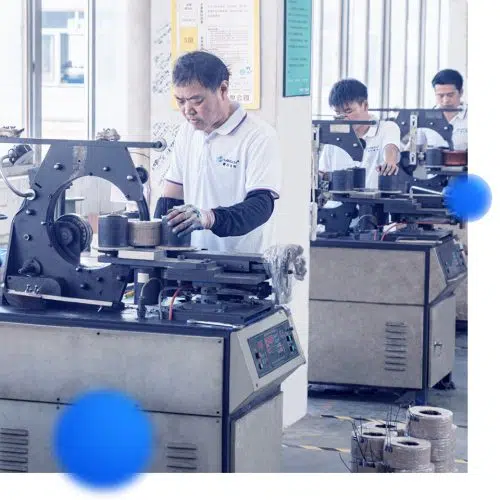
Conclusion: The Future of Backup Power Technology
Lithium-ion UPS systems represent a major leap forward in backup power technology, offering better performance, efficiency, and environmental responsibility compared to traditional solutions.
At MINGCH Electric, our founder’s 20+ years of power electronics engineering experience positions us uniquely to deliver advanced UPS solutions that modern facilities require. This deep technical background enables us to navigate the complexities of lithium-ion integration while maintaining the reliability standards that critical applications demand.
Our commitment to quality through self-designed components and comprehensive in-house testing ensures that UPS systems with advanced battery technology deliver consistent, reliable performance. The combination of our technical expertise and proven quality control processes creates UPS solutions that businesses can trust for their most critical applications.
Lithium-ion technology creates more sustainable, efficient, and reliable power infrastructure. When you choose advanced UPS technology backed by proven engineering expertise and rigorous quality control, you’re investing in solutions that will serve your facility well for years to come.


