




Turn off power and unplug the unit completely. Find the fuse holder, remove the blown fuse, and replace it with exactly the same type and amperage. Never use a higher-rated fuse. Restore power and test. If the new fuse blows immediately, you have a bigger problem that needs professional attention.
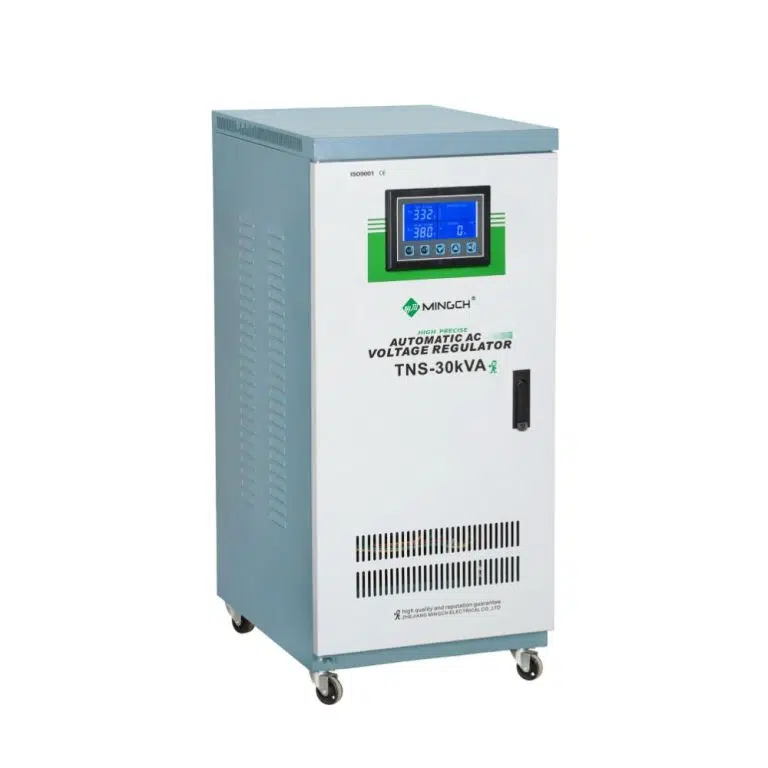
Power Off and Safety First
Before touching anything, shut off the main power to the voltage regulator and unplug it from the wall. Use a voltage tester to confirm there’s no power at the fuse location.
Wear safety glasses and work gloves, especially when dealing with potentially exposed components. Even with power off, capacitors can hold charge, so treat everything as live until proven otherwise.

Finding the Voltage Regulator Fuse
Industrial voltage regulators typically have fuses in accessible locations, but you’ll need to check your specific model. Look for a small cylindrical component in a holder, often behind a removable panel or near the power input connections.
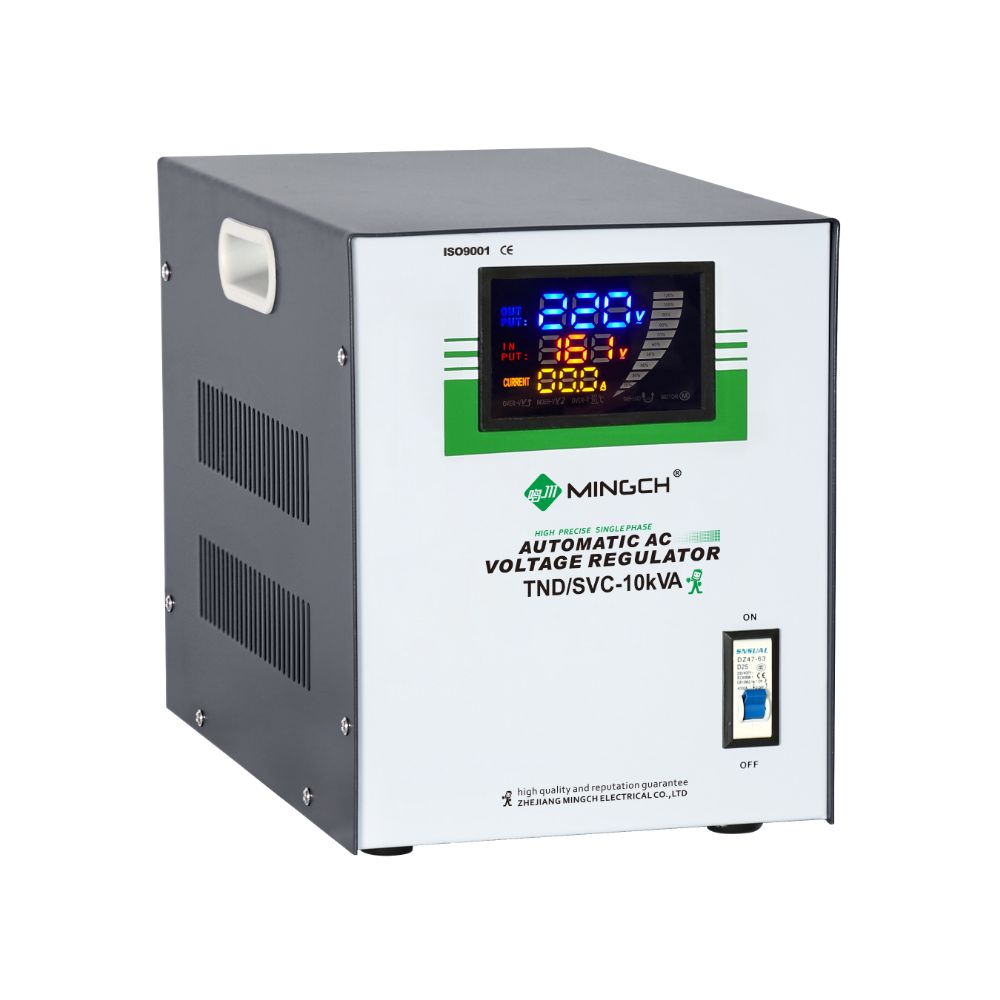
Many units from manufacturers like those in our voltage regulator catalog place fuses in clearly marked holders for easy access. Some larger units may have multiple fuses protecting different circuits, so identify which one you’re working on.
If you can’t locate the fuse easily, check the manual or look for a diagram on the unit itself. The fuse holder is usually labeled or near other control components.

Identifying a Blown Fuse
A blown fuse often shows visible signs of failure. Look for a broken metal filament inside the glass or ceramic body, or dark discoloration from burning. The metal caps on either end might also show burn marks.
When in doubt, use a multimeter to check continuity. Set it to the resistance or continuity setting and touch the probes to both ends of the fuse. A good fuse will show near-zero resistance or beep if your meter has an audible continuity function. A blown fuse shows infinite resistance or no continuity.
Replace Fuse Voltage Stabilizer Step-by-Step
Remove the old fuse carefully from its holder. Some fuses pull straight out, while others might need a gentle twisting motion. If it’s stuck, use needle-nose pliers but be gentle to avoid damaging the holder.
Check the markings on the blown fuse before discarding it. You’ll see numbers indicating amperage and possibly voltage rating. Common ratings for industrial voltage regulators include 5A, 10A, 15A, or 20A depending on the unit’s capacity.
Install the new fuse by reversing the removal process. Make sure it seats properly in the holder (it should go in easily without forcing).
Critical Fuse Selection Rules
Never, ever use a fuse with higher amperage than the original. If you had a 10A fuse, replace it with another 10A fuse, not a 15A or 20A version. Higher-rated fuses won’t protect the circuit properly and can cause equipment damage or fire.
The voltage rating can be equal or higher than the original, but the amperage must match exactly. A 250V fuse can replace a 125V fuse if the amperage is the same, but not the other way around.
Fast-blow versus slow-blow fuse types matter too. Industrial voltage regulators usually use slow-blow fuses because they handle the startup surge when equipment first powers on. Using a fast-blow fuse in place of a slow-blow will likely result in nuisance failures.
Can a Bad Voltage Regulator Blow Fuses on a Scooter?
While this guide focuses on industrial equipment, the same principles apply to smaller applications. A failing voltage regulator in any device can indeed blow fuses repeatedly. When the regulator’s internal components fail, they can create short circuits or allow excessive current flow that overwhelms the protective fuse.
If you’re dealing with repeated fuse failures in scooters or other small equipment, the voltage regulator itself likely needs replacement rather than just changing fuses.
Testing and Power Restoration
Once the new fuse is installed, double-check that everything is properly reassembled. Replace any panels you removed and make sure all connections are tight.
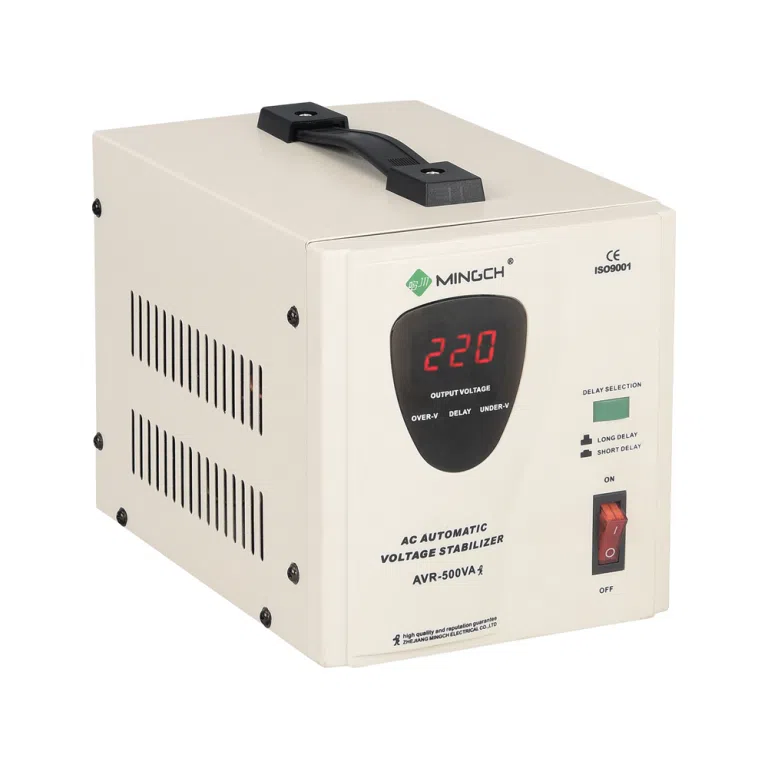
Plug the voltage regulator back in and turn on the main power. Watch the indicators or displays to confirm normal operation. The unit should start up without immediately blowing the new fuse.
If the voltage regulator operates normally, reconnect your load equipment gradually. Start with lighter loads and add heavier equipment one piece at a time to ensure the system remains stable.
Electrical Safety Procedures and Troubleshooting
When the new fuse blows immediately or within a short time, stop and investigate. Repeated fuse failures indicate underlying problems like short circuits, overloaded equipment, or failing components within the voltage regulator.
Check your connected equipment for problems. Disconnect everything from the voltage regulator and test with just a small load like a light bulb. If the fuse still blows, the regulator has internal problems requiring professional repair.
Overloading causes many fuse failures in industrial settings. Calculate the total amperage of your connected equipment and ensure it doesn’t exceed the voltage regulator’s capacity. During low voltage conditions, equipment draws more current, which can overload the system.

When to Call for Professional Help
Repeated fuse failures, burning smells, unusual noises, or any signs of component damage require professional diagnosis. These symptoms often indicate problems beyond simple fuse replacement.
Some industrial facilities require licensed electricians to perform any electrical work, including fuse replacement.
Check your company’s safety policies before proceeding with any electrical troubleshooting. If you’re uncomfortable working with electrical equipment, call a qualified technician.


