




A bypass switch stabilizer acts as a safety mechanism, allowing you to temporarily disconnect the stabilizer from the power supply and connect your devices directly to the main power source. This is useful for maintenance, troubleshooting, or when the stabilizer malfunctions, ensuring continuous power supply to your appliances.
This comprehensive guide will explain how bypass switches operate in voltage stabilizer systems, when to activate them safely, and how to interpret the LED status indicators that help monitor your equipment’s operational state.
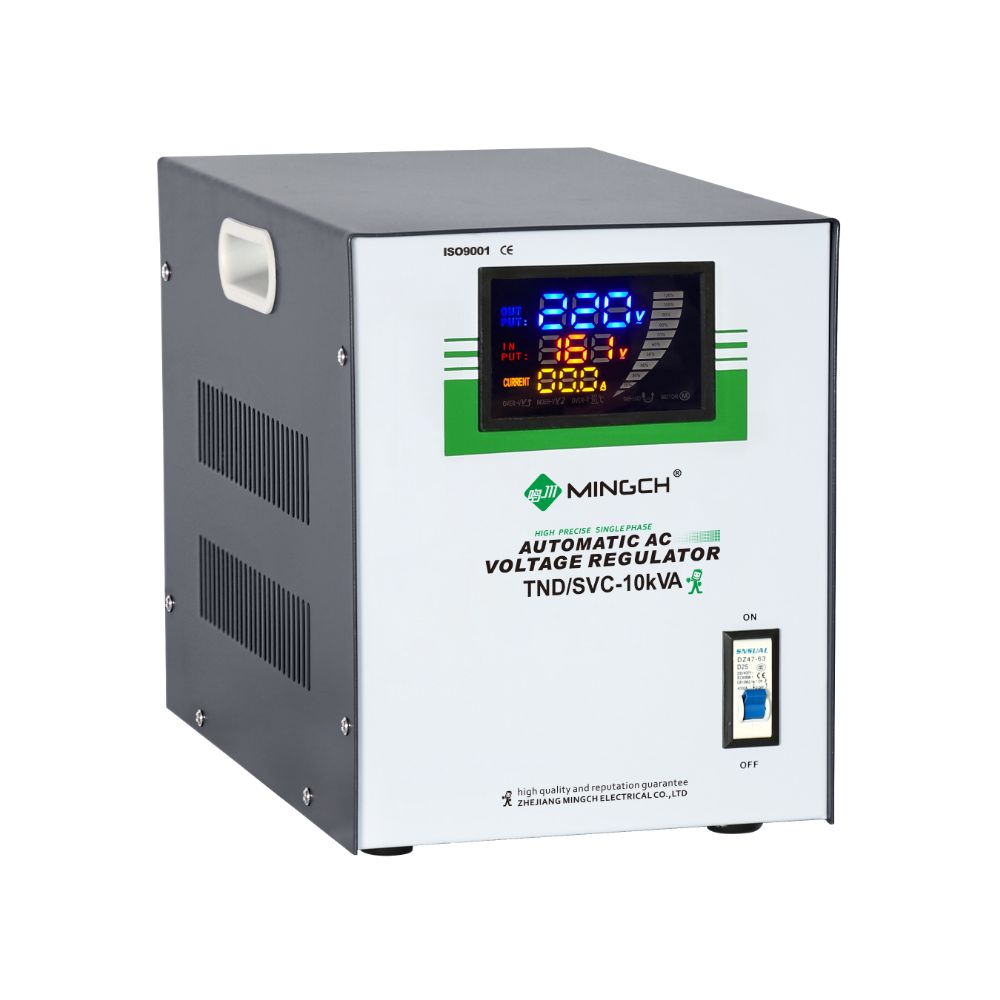
What is a Bypass Switch in a Voltage Stabilizer?
A bypass switch is essentially a manual switch that allows you to bypass the stabilizer’s voltage regulation circuitry. When the switch is in the “bypass” position, the power from the main supply goes directly to your devices, bypassing the stabilizer altogether.
The bypass switch stabilizer configuration provides two distinct power paths: normal operation through the voltage regulation circuit, and emergency bypass directly from input to output. This dual-path design ensures continuous power availability even when the stabilization equipment requires servicing or experiences technical issues.

Modern voltage stabilizers incorporate sophisticated bypass mechanisms that maintain power continuity while protecting connected equipment. The switch typically features clear position indicators and safety interlocks to prevent accidental activation during normal operation.
LED Status Indicators: Reading Your Stabilizer’s Health
Understanding your voltage stabilizer LED indicators is crucial for proper operation and troubleshooting. These colored lights provide real-time information about system status, voltage conditions, and operational modes.
Green LED Indicators
- Solid Green: Indicates normal operation with stable voltage output
- Flashing Green: Shows the unit is powered on and actively stabilizing voltage fluctuations
Yellow LED Indicators
- Solid Yellow: Voltage abnormality detected – input voltage is outside normal parameters but within correction range
- Flashing Yellow: Bypass mode is active – equipment is receiving direct utility power
Red LED Indicators
- Solid Red: Critical fault condition requiring immediate attention and potential shutdown

The LED status panel provides instant visual feedback about your voltage stabilizer’s operational state. Operators can quickly assess system health and identify potential issues before they affect connected equipment.
When to Use the Bypass Switch
Here are a few scenarios where it makes sense to use the bypass switch:
Maintenance and Repair
If your voltage stabilizer needs to be serviced, repaired, or replaced, you can switch to bypass mode to keep your devices powered while the stabilizer is offline. This maintenance bypass switch functionality prevents costly downtime during routine service procedures.
Industrial equipment maintenance often requires extended periods where voltage stabilization equipment must be taken offline. The bypass switch enables continuous operation of critical machinery while technicians perform necessary maintenance work on the stabilizer circuits.
Troubleshooting Operations
If you suspect a problem with the stabilizer, you can use the bypass switch stabilizer to see if the issue persists when devices are directly connected to main power. This helps isolate whether problems originate from the stabilizer or connected equipment.
Systematic troubleshooting procedures involve comparing equipment performance in normal versus bypass modes. If issues disappear in bypass mode, the problem likely resides within the voltage regulation circuitry.
Emergency Situations
In rare cases where the stabilizer experiences an overload or fault, the bypass switch can be used to quickly switch to main power and prevent further damage. Emergency bypass activation ensures critical systems remain operational during stabilizer failures.
Temporary Power Requirements
If you need to temporarily power a device that doesn’t require voltage stabilization, you can use the bypass switch to connect it directly to main power. This is particularly useful for equipment testing or temporary installations.

Important Safety Considerations
Bypass mode is not for regular use. It’s intended for specific situations where the stabilizer needs to be taken offline or when troubleshooting equipment issues.
When the bypass switch is engaged, your devices are not protected from voltage fluctuations. They will be receiving power directly from the main supply, exposing them to potential voltage variations that could damage sensitive equipment.
Always ensure the bypass switch is returned to the normal operating position after the bypass situation is resolved. Extended operation in bypass mode eliminates voltage protection and may void equipment warranties.

Conclusion
Proper bypass procedures include verifying LED status indicators before activation, ensuring connected equipment can tolerate direct utility power, and implementing appropriate safety measures during maintenance operations.
The voltage stabilizer bypass switch represents a critical safety feature that enables maintenance flexibility while maintaining power continuity for essential equipment and industrial applications.


