




Voltage fluctuations can cause serious issues in elevator systems—sudden stops, jerky movements, or even full system failure. The solution? Installing a lift stabilizer, particularly a high-performance elevator voltage stabilizer like the MINGCH SBW/DBW series, ensures a stable power supply and uninterrupted operation.
This article will explain how elevator voltage issues arise, how a lift stabilizer solves them, and why commercial facilities should prioritize voltage protection.
Why Elevators Need Stable Voltage
Elevators are highly sensitive to power variations. Even minor voltage fluctuation can interfere with the control system or damage the motor drive, especially during frequent start-stop cycles. When start current spikes or overvoltage events occur, it stresses electronic components and disrupts smooth operation.
A lift stabilizer acts as a buffer, maintaining consistent voltage output even when input voltage varies. This is particularly vital in commercial or high-rise buildings where load demands fluctuate and stable elevator performance is essential for safety, speed, and convenience.
The Role of Elevator Voltage Stabilizers in System Protection
An elevator voltage stabilizer ensures the motor, controller, and drive receive constant voltage despite irregular supply from the grid. Here’s how it works:
- It detects voltage drops or spikes instantly.
- It adjusts the output voltage within a tight tolerance range (typically ±1%).
- It protects sensitive electronics from damage, extending the life of elevator components.
Solutions like the MINGCH SBW/DBW series stabilize voltage and improve energy efficiency by reducing power losses during regulation.
How MINGCH SBW/DBW Lift Stabilizer Series Supports Elevator Reliability
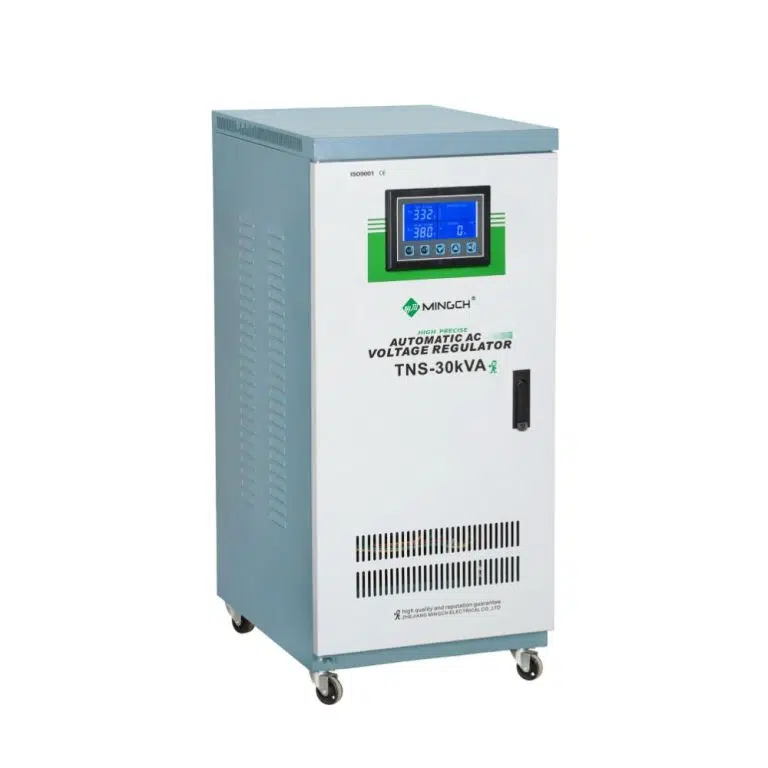
MINGCH Electrical offers tailored lift and elevator systems solutions, especially for industrial or commercial applications. The SBW/DBW stabilizer range features:
- Wide input voltage range (up to 300–500V for 3-phase applications)
- Fast response time for sudden fluctuations
- High accuracy output (±1%)
- Integrated protection against overvoltage, short circuit, and phase failure
- Compatible with variable load conditions common in elevator systems
These features make MINGCH’s 3-phase stabilizer for lift systems ideal for high-rise buildings, hospitals, malls, and transport hubs.
Benefits of Using Elevator Stabilizers in Commercial Projects
- Smooth and Safe Operation
Consistent voltage supply ensures elevators perform smooth accelerations and decelerations, eliminating jolts during start and stop phases. This improves user experience and reduces mechanical wear on brake and traction systems.
- Reduced Downtime and Maintenance
Voltage instability often causes component overheating, relay malfunction, and drive failures. Installing a lift stabilizer such as the MINGCH SBW/DBW series minimizes these risks, significantly lowering repair frequency and unplanned service interruptions.

- Compliance with Electrical Safety Standards
Elevators must meet stringent global standards like EN 81 and IEC 61508. A reliable elevator voltage stabilizer helps maintain accurate signal transmission for safety features such as overspeed governors and emergency brakes, ensuring consistent operation even during electrical irregularities.
- Extended Equipment Lifespan
Voltage fluctuations accelerate degradation in sensitive components like VFDs (variable frequency drives), PCB boards, and motor windings. A 3-phase stabilizer for lift protects these assets by maintaining voltage within ±1% accuracy, extending functional life by years.
- Increased Energy Efficiency
Stable voltage eliminates unnecessary current draw that occurs during sags and swells. MINGCH stabilizers improve energy utilization, reduce transformer heat losses, and contribute to lower electricity bills for high-traffic buildings.
How to Choose the Right Lift Stabilizer
When selecting a lift stabilizer, consider the following:
- Voltage Range: Input and output requirements should match your building’s grid conditions.
- Power Capacity: Choose based on elevator motor horsepower and controller load.
- Phase Configuration: For commercial elevators, a 3 phase stabilizer for lift is typically required.
- Protection Features: Look for built-in protections like overvoltage, surge, and thermal protection.
- Brand Reliability: Established brands that offered tested, field-proven solutions across 20+ countries.
Common Questions About Elevator Voltage Stabilizers
- What is a lift stabilizer?
A lift stabilizer is a device that keeps voltage steady for elevators, preventing damage and ensuring smooth performance.
- Why is voltage fluctuation bad for elevators?
Fluctuations stress elevator electronics, causing breakdowns, jerky rides, or emergency halts.
- Can stabilizers save energy in elevators?
Yes. By maintaining voltage, stabilizers reduce unnecessary current draw and energy loss.
- What’s better: a servo or static stabilizer for elevators?
Servo stabilizers are more precise for elevators, but static types like MINGCH’s are faster and require less maintenance.
- How often should elevator stabilizers be maintained?
Basic checks every 6 months are recommended—monitor voltage readings, inspect terminals, and clean cooling vents.

Conclusion: Stable Power, Safer Rides
A voltage stabilizer is more than just protection—it’s essential to every reliable elevator system. From preventing costly breakdowns to improving passenger safety, MINGCH’s SBW/DBW series lift stabilizer offers a dependable solution for commercial facilities worldwide.
If you’re installing a new elevator or dealing with voltage issues, MINGCH has you covered. Our lift stabilizers are built for performance, protection, and long-term reliability.
Check out our full range of high-power stabilizers on the product page, or see how we support systems in 20+ countries on our homepage.


