




EV charging stations create both challenges and opportunities for grid stability. High-power chargers strain the electrical grid during peak hours, but smart charging systems and voltage regulators can turn electric vehicles into grid-stabilizing assets.
The key lies in managing when and how EVs charge, using off-peak hours and advanced power solutions for EV charging stations to maintain grid balance.
The Growing Scale of EV Infrastructure
The electric vehicle revolution is accelerating rapidly. In 2024, more than 1.3 million public charging points were added to the global stock, representing an increase of more than 30% compared to the previous year, according to the International Energy Agency.
This massive expansion brings new considerations for electrical grid management. Each charging station represents a significant electrical load that utilities must plan for and accommodate.
Modern charging infrastructure ranges from residential Level 2 systems to ultra-fast commercial chargers capable of delivering hundreds of kilowatts. This variety creates different impacts on grid stability depending on charging patterns and power requirements.

High-Power Charging Creates Grid Stress
Fast charging stations place substantial demands on electrical infrastructure. A 120kW charger can deliver enough power to charge most electric vehicles in 30 minutes, but this rapid energy transfer creates intense grid loads.
Ultra-fast chargers push this further, providing full charges in 15 minutes or less. When multiple high-power chargers operate simultaneously, they can overwhelm local electrical infrastructure.
Peak hour challenges occur when charging demand coincides with general electricity usage. Industrial areas with multiple charging stations can experience power quality issues during busy periods.
Voltage fluctuations become problematic as large chargers switch on and off. These sudden load changes can cause voltage drops that affect other electrical equipment in the area.
Power Solutions for EV Charging Stations

Addressing grid stability requires sophisticated power management systems and quality electrical infrastructure.
Voltage Regulation Technology
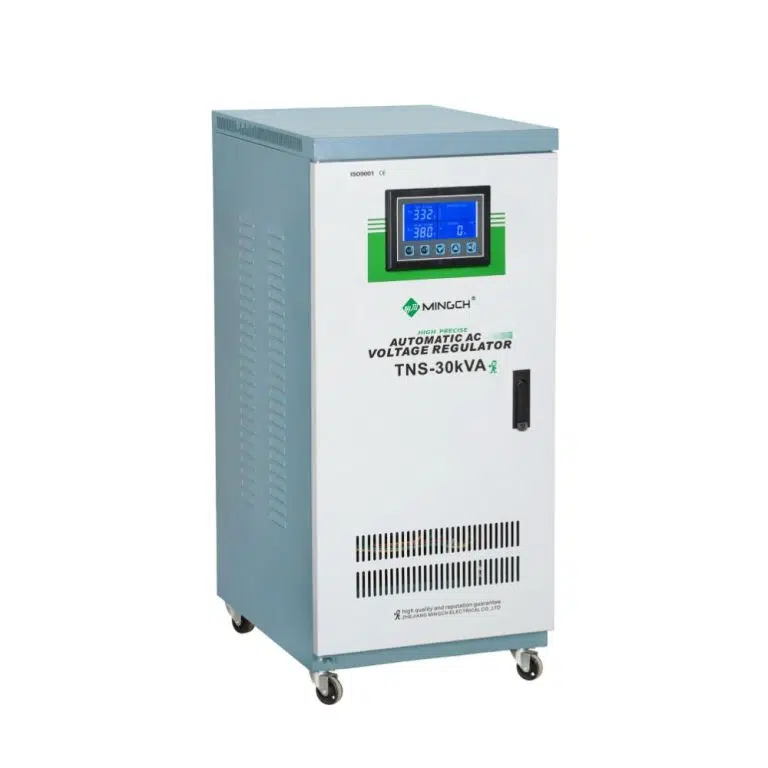
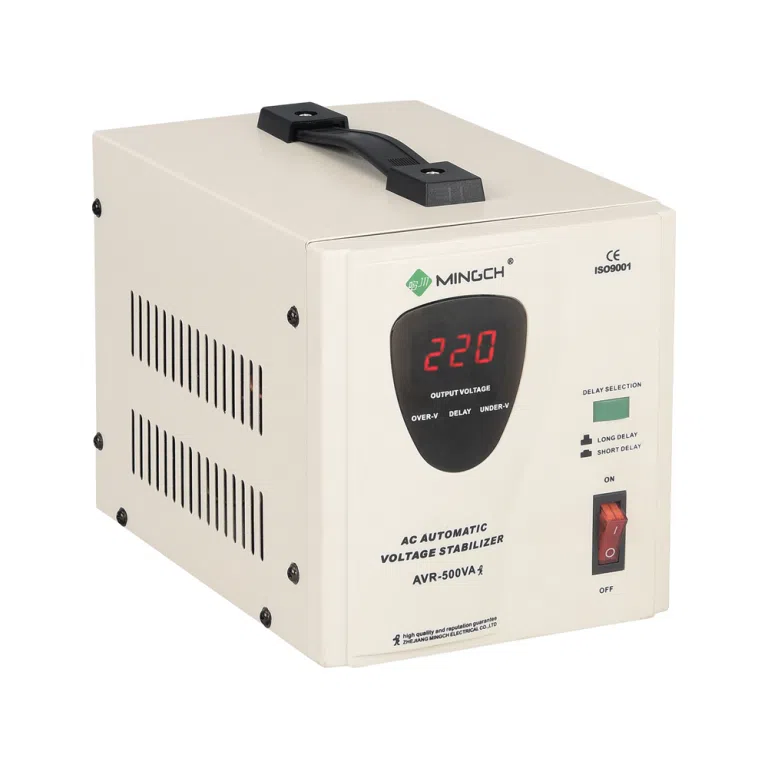
Modern voltage regulators play a crucial role in maintaining stable power delivery to charging stations. These systems automatically adjust for voltage fluctuations caused by varying electrical loads.
Industrial-grade voltage regulators designed for high-power applications help charging stations maintain consistent power output regardless of grid conditions.
Automatic voltage regulation becomes essential when multiple chargers operate from the same electrical supply. Without proper regulation, voltage drops can slow charging speeds or cause equipment malfunctions.
Smart Load Management
Advanced charging systems use intelligent load balancing to prevent grid overload. These systems monitor electrical demand and adjust charging rates accordingly. For example:
- Dynamic power allocation distributes available electricity among multiple charging ports based on grid capacity and charging priorities.
- Time-shifted charging moves electrical demand to off-peak hours when grid capacity is available and electricity costs are lower.
- Communication protocols allow charging stations to coordinate with utility systems, reducing power during peak demand periods.
EV Charging Grid Impact During Peak Hours
The timing of charging activities significantly affects grid stability. Peak hour charging creates the greatest challenges for electrical infrastructure.
Commercial charging stations often see heavy usage during commuter hours when people arrive at work or shopping centers. This coincides with existing peak electrical demand from buildings and industrial facilities.
Residential charging typically peaks in the evening when people return home. This timing aligns with household electricity usage for lighting, cooking, and entertainment systems.
- Grid stress indicators include voltage drops, frequency variations, and transformer overloading. Utilities monitor these parameters to identify areas where charging infrastructure impacts grid performance.
- Transformer capacity becomes critical in areas with high charging station density. Local transformers may require upgrades to handle the additional electrical load from multiple charging points.
Grid Stability with Renewables Integration
Electric vehicles can actually enhance grid stability when integrated with renewable energy systems.
Smart Charging Coordination
Smart charging systems can shift electrical demand to match renewable energy production. Solar power generation peaks during midday hours when many vehicles are parked at workplace charging stations. Wind energy production often increases at night, aligning well with residential charging patterns.
Vehicle-to-Grid Technology
This natural coordination reduces the need for fossil fuel backup power generation. Vehicle-to-grid technology allows electric vehicles to return stored energy to the electrical grid during peak demand periods, turning EVs into distributed energy storage systems.
Grid Services from EVs
Modern electric vehicles equipped with bidirectional charging capability provide valuable services:
- Frequency regulation maintains stable electrical frequency as renewable output varies
- Voltage support provides reactive power for proper voltage levels
- Peak shaving reduces maximum demand using EV battery power
- Energy storage offers distributed backup power during outages
Renewable Energy Storage
EVs can store excess renewable energy when production exceeds demand, then release it back to the grid when needed. This creates a massive distributed battery network that helps balance renewable energy’s variable output.
Managing Future Growth
The continued expansion of EV charging infrastructure requires proactive planning and investment from utilities.
Pricing and Policy Solutions
Time-of-use pricing makes electricity cheaper during low-demand periods, naturally encouraging charging when grid capacity is available. Demand charges for commercial charging stations encourage load management and prevent excessive peak power usage.
Grid modernization includes upgrading transformers, distribution lines, and control systems to handle increased electrical loads from transportation electrification.
Technology Solutions
Several technological approaches help maintain stability as EV adoption grows:
- Advanced metering infrastructure provides real-time usage data
- Energy storage systems at charging stations buffer power demand
- Predictive analytics forecast charging demand patterns
- Grid-interactive inverters provide power quality service

The Path Forward
The transition to electric transportation represents both a challenge and an opportunity for electrical grid management. With proper planning, advanced power solutions for EV charging stations, and intelligent charging systems, electric vehicles can contribute to a more stable and sustainable electrical grid while meeting the growing demand for clean transportation.


