




If you’re using variable frequency drives (VFDs) in your operations, you’re already taking a big step toward energy efficiency and motor control. But here’s what many don’t realize: the VFD alone isn’t enough. To truly safeguard your equipment, especially when managing multiple motors on one VFD, you need a comprehensive VFD multiple motor protection strategy.
VFDs are excellent for controlling speed and torque, but when left unprotected, they can inadvertently become a risk to the very motors they serve. From voltage spikes to insulation breakdowns and thermal overloads, running multiple motors on a single VFD requires extra care. In this blog, we’ll break down the essentials of VFD protection, why it matters, and how to do it right.
What Is VFD Multiple Motor Protection?
VFD multiple motor protection refers to the combination of electrical safeguards designed to protect each individual motor when running multiple motors from a single VFD. These protections include thermal overloads, motor fuses, circuit breakers, contactors, and isolation mechanisms.
Key Takeaways:
- It’s not just about protecting the VFD; it’s about protecting every motor it controls.
- Multiple motors on one VFD can face unequal stress and wear.
- Without proper protection, one motor’s fault can damage others—or even the VFD itself.
Can You Run Multiple Motors from One VFD?
Yes, you can run multiple motors from one VFD, and it’s a common setup in conveyor systems, HVAC, and other synchronized machinery. But it’s not as simple as wiring them in parallel and calling it a day.
Each motor must be:
- Properly sized to ensure load balance
- Equipped with individual overload protection
- Disconnected safely when maintenance or faults occur
If not carefully planned, running multiple motors can lead to unequal load distribution, harmonics, overheating, or system failure.
Are VFDs Only for 3 Phase Motors?
No. While VFDs are typically designed for 3-phase motors, they can also control single-phase motors with specialized setups. However, three-phase motors remain the most compatible and efficient for VFD applications due to their balanced load characteristics and better performance under varying frequencies.
That said, when using VFDs with three-phase motors in a multi-motor configuration, extra attention must be given to harmonics, voltage drops, and motor interactions—making protection even more critical.
Can a VFD Destroy a Motor?
Unfortunately, yes. While VFDs are designed to protect and control, they can also destroy a motor if misused or under-protected.
Common causes include:
- Voltage spikes caused by long cable runs (reflected wave phenomenon)
- Bearing currents leading to premature failure
- Improper V/Hz settings causing overfluxing or underfluxing
- Lack of thermal overload protection
Without proper motor-level protection, a VFD intended to enhance performance could lead to catastrophic failure.
Why VFD Alone Isn’t Enough for Motor Protection
A VFD’s internal features are great for short circuit protection and output current control, but these are often not sufficient for real-world installations involving multiple motors. Here’s why you need more than just the VFD:
- Individual Motor Protection: Each motor must have its own thermal overload relay. Otherwise, the VFD may not detect overheating in a single motor.
- Fault Isolation: A fault in one motor should not bring down the entire system. Use motor branch fuses or circuit breakers.
- Maintenance Safety: Isolation contactors allow maintenance on one motor without interrupting others.
- Cable Length Protection: dV/dt filters or sine wave filters reduce the high-frequency voltage spikes caused by long motor leads.
- Environmental Factors: External protection, like surge suppressors, helps in regions with unstable grid voltage or high lightning risk.
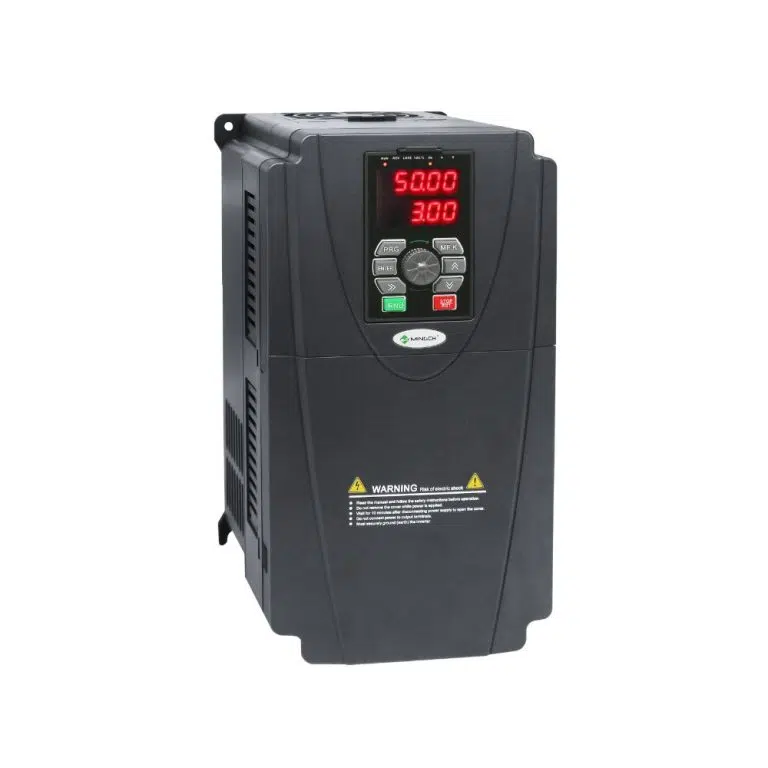
How to Properly Implement VFD Multiple Motor Protection
To ensure a safe and efficient system, follow these best practices:
1. Design for Balance
Ensure all motors connected to a single VFD are similar in load and speed requirements. Mismatched motors can cause unequal current draw and overload conditions.
2. Install Individual Overload Protection
Use thermal overload relays or electronic motor protection relays for each motor. This ensures localized protection without triggering a system-wide shutdown.
3. Use Contactor-Based Isolation
Add motor contactors for each unit. This helps with easy isolation during servicing or failure.
4. Add Output Filters for Long Cable Runs
When cable lengths exceed 15-20 meters, output filters reduce harmful voltage peaks and protect motor windings.
5. Incorporate Surge Protection Devices (SPDs)
These are vital in protecting both VFD and motors from sudden voltage surges.
Common Challenges and Solutions in Multi-Motor VFD Setups
| Challenge | Solution |
| One motor failure affecting others | Add independent protection devices per motor |
| Voltage spikes from long cables | Install dV/dt or sine wave filters |
| Overheating without notice | Use smart thermal protection or thermistors |
| Maintenance downtime | Use motor isolation contactors |
| Insulation breakdown | Improve grounding and install surge protection |
These best practices are essential in high-performance industrial settings, such as manufacturing lines, HVAC systems, and pumping stations.
Benefits of Proper VFD Motor Protection
When you invest in the right protection strategy, you benefit from:
- Increased motor lifespan
- Reduced downtime and maintenance costs
- Improved operational safety
- Optimized energy savings from VFDs
- Peace of mind with long-term reliability
Conclusion: Don’t Let Your VFD Work Alone
A VFD is a smart investment—but only when paired with equally smart protection. If you’re running multiple motors on one VFD, comprehensive VFD multiple motor protection isn’t optional—it’s essential. Whether you’re managing a simple pump system or a complex industrial line, your motors deserve full-spectrum protection to keep operations running smoothly.
At MINGCH Electrical, we’re more than just VFD suppliers—we’re your long-term partners in motor control and protection. As a global distributor of motor controls, VFDs, and breakers, we offer original, in-stock products with fast shipping.
Explore our wide range of VFDs and protection solutions on our website: https://www.mingchele.com
Frequently Asked Questions (FAQs)
Can a VFD destroy a motor?
Yes. Without proper motor protection, a VFD can cause voltage spikes, overheating, or insulation damage.
Are VFDs only for 3 phase motors?
No. VFDs work best with 3-phase motors but can be adapted for single-phase use.
Can you run multiple motors from one VFD?
Yes, with proper sizing and protection, multiple motors can be powered by one VFD.
What is VFD multiple motor protection?
It’s the combined use of devices like overload relays, contactors, and filters to protect each motor in a multi-motor VFD setup.


