




This guide explains overload voltage protection, what causes overload voltage, and which industrial solutions work best. It also shows how MINGCH Electrical combines durable design, high-precision servo stabilizers, and bundled testing equipment for full power protection.
What Does Overvoltage Protection Mean in Industry?
Overvoltage protection means keeping voltage from rising above a safe level. When overload voltage happens, machines, controls, and power parts can get damaged very fast.
Some buyers also call this over-voltage protection. In simple words, the job is to keep power safe, steady, and fit for the load.
What Causes Overload Voltage in Industrial Power Systems?
Industrial and mining sites often have big motors, long cables, and unstable incoming power. That is why overload voltage problems are more common in these places than in light-duty buildings.
The main causes are lightning, grid switching, load switching, and system faults. Some events are very short, while others last longer and put more stress on equipment.
Why Do Lightning and Switching Cause Fast Spikes?
Lightning can send a very fast and very high spike into a power line. Grid switching and motor switching can also create sharp voltage jumps that hit drives, PLCs, and control boards.
These spikes may last only microseconds or milliseconds. Even so, they can still break sensitive parts.
What Damage Can Overload Voltage Cause to Equipment?
Overload voltage can burn parts right away, or it can slowly weaken them over time. That means more faults, more stoppages, and more repair bills.
Here are some common examples:
| System | Abnormal Voltage Level | Main Risk |
| 220V AC | Above 300V | Small device and control damage |
| 380V Three-Phase | Above 450V | Stress on motors and production lines |
| 24V DC Control | Above 40V | PLC, sensor, and relay failure |
The most common damage includes insulation breakdown, short circuit faults, and semiconductor failure. In a factory or mine, that can also mean lost output and unsafe operation.
We offer factory-direct prices, 18h quick quotes, and 48h after-sales support for global distributors. Benefit from 30+ years of expertise and a diverse product range, ensuring you always get the best value.
Get Wholesale Price List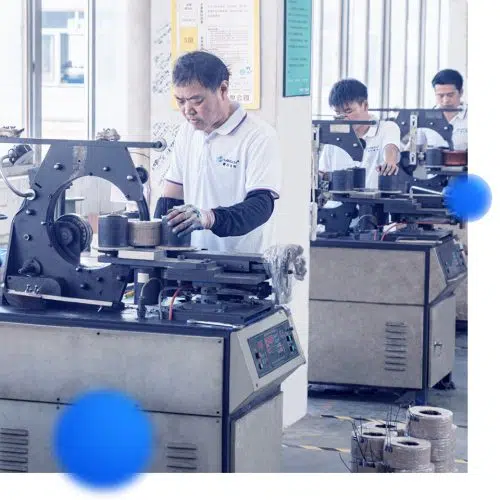
Which Overvoltage Protection Devices Should Industrial Sites Use?
No single product solves every problem. Good Overvoltage protection uses more than one layer, because fast spikes and long voltage swings are not the same thing.
That is why many sites use overvoltage protection devices together with stabilizers, breakers, and built-in protection circuits. This gives wider and safer coverage.
Surge Protection Devices for Fast Voltage Spike Control
Overvoltage protection devices like SPDs react to fast transient spikes. They clamp the surge and send extra energy away before it reaches sensitive equipment.
These overvoltage protection devices are often installed in distribution panels, automation cabinets, and control systems. They help protect equipment first when a voltage spike hits.
Servo Stabilizers for Continuous Output Voltage Control
A servo stabilizer does a different job. It keeps output voltage stable when input voltage moves up and down.
This matters in places with weak or unstable grids. It also matters for loads that need clean and steady power every day.
Standard Safety Protections in MINGCH Power Solutions
MINGCH products are built with standard safety protections for real industrial use. These protections include overvoltage protection, short circuit protection, and overload protection.
This three-part safety design helps protect machines, cut fault spread, and support safer operation. It also helps improve product durability in harsh working conditions.

MINGCH Electrical Solutions for Industrial and Mining Protection
MINGCH Electrical focuses on complete power protection solutions, not only one single device. For industrial and mining enterprises, this is important because power trouble usually comes from more than one source.
The core strength is the high-precision servo stabilizer. It helps keep output accurate and stable, which protects CNC machines, motors, pumps, automation lines, and other critical loads.
MINGCH also offers bundled testing equipment as part of the solution advantage. This helps customers check performance, improve matching, and build a more complete protection system with greater confidence.
Can Layered Protection Cut Downtime and Maintenance Costs?
Yes. A layered setup gives better overload voltage protection than a single product used alone.
A practical system often combines overvoltage protection devices for surge control, a servo stabilizer for steady output, and built-in short circuit and overload protection for daily safety. This mix helps reduce damage, downtime, and maintenance cost.
Discover MINGCH’s Manufacturing Excellence
Leading Servo Voltage Stabilizer Manufacturer
Learn About Our FactoryFAQs (Frequently Asked Questions)
1. How can you help stop undervoltage problems?
You can protect against undervoltage by using a stabilizer, undervoltage relay, proper cable size, and regular checks, so equipment gets safer, more steady power daily today.
2. Why is undervoltage protection important?
Undervoltage protection helps stop damage when voltage drops too low. It protects motors, machines, and other equipment by disconnecting power before parts overheat or fail inside.
3. What are the three main types of voltage?
The three main voltage types are low voltage, medium voltage, and high voltage. These groups help people describe power systems and choose equipment safely for use.
4. What can make voltage drop too low?
Undervoltage can happen because of overloaded lines, long cables, weak power supply, loose connections, or faults in the system that make voltage drop too much.


