




When your power inverter suddenly stops working, it can disrupt your entire setup—whether at home, on an RV trip, or in an off-grid solar system. The bottom line? Power inverter repair is often easier than it looks. This guide will walk you through practical troubleshooting steps, basic maintenance tricks, and expert insights to help you repair your power inverter safely and effectively. With clear explanations and simple language, even beginners can learn how to repair DC to AC power inverters confidently.
Understanding What a Power Inverter Does
A power inverter takes direct current (DC) from a battery or solar panel and changes it into alternating current (AC), the type of electricity most home appliances use. Without this conversion, devices that rely on AC power couldn’t operate from a battery source.
In short:
- It changes DC to AC power.
- It powers AC-based appliances from solar or battery systems.
- It serves as the heart of your RV or off-grid power setup.
If your inverter stops working, understanding its purpose makes power inverter repair less intimidating. Whether you’re performing RV inverter repair or checking your solar power inverter, the core principles remain the same.

0.5kW (500W) Pure Sine Wave Power Inverter
- Clean Pure Sine Wave Output
- Ideal for Solar & Sensitive Electronics
Common Signs of Power Inverter Faults

Knowing what to look for helps diagnose problems early. Here are the most frequent power inverter faults:
- The inverter won’t turn on.
- It runs but doesn’t output power.
- Warning lights flash or alarms beep.
- The inverter reset button is not working.
- Overheating or sudden shutdown during use.
These power inverter faults may come from something simple, like a loose cable, or a more complex circuit failure. Don’t worry: we’ll cover both.
Step-by-Step Power Inverter Repair Guide
1. Check the Power Source First Before you open the inverter, check the basics. Make sure your battery or solar panel provides enough voltage. Use a multimeter to test input terminals. Low voltage means you need to recharge or replace the battery.
This step solves over 40% of inverter issues in both RV power inverter troubleshooting and home setups.
2. Inspect Cables and Connections Loose, corroded, or damaged wires can interrupt current flow. Disconnect the inverter and examine every cable. Clean corroded terminals with sandpaper and tighten all connections.
Always disconnect power before touching any wires—safety first!
3. Test and Replace Fuses Most inverters have protective fuses that blow during overcurrent situations. If your unit is completely dead, locate and test the fuse. Refer to your power inverter repair manual for the correct fuse rating and type. Replace any damaged ones before re-testing.
4. Check Output Voltage Turn the inverter on with no load (nothing plugged in). Use a multimeter to measure the AC voltage at the output terminals. If no voltage appears, there may be an internal circuit issue. This step is crucial in how to repair a DC to AC power inverter accurately.
5. Prevent and Solve Overheating Dust buildup, poor ventilation, or blocked cooling fans can trigger shutdowns. Clean the cooling vents regularly, ensure airflow, and keep the unit away from direct sunlight. Overheating often mimics serious faults—so prevention is your best tool.
6. Try the Reset Function Many units include a reset button. If your inverter reset button is not working, turn off the inverter, wait 30 seconds, and power it on again. Sometimes, this resets the internal circuitry and restores normal function.
7. Refer to the Repair Manual or Seek Help If all else fails, consult your power inverter repair manual or manufacturer’s guide. You’ll find model-specific diagrams and troubleshooting charts. For complex issues, professional help may be necessary. Solar power inverter repair and RV inverter repair may require specialized tools and experience, especially for internal board or transistor issues.
If you’re wondering how to repair a power inverter in an RV, start with basic checks—inspect the battery bank, fuses, and connections before removing any panels. Many RV inverter issues come from simple wiring or fuse faults that can be easily fixed once identified.
Maintenance Tricks to Extend Inverter Life
Repairing is great—but preventing damage is even better. Here are proven maintenance habits to keep your inverter running for years:
- Clean Monthly: Dust and debris affect cooling and cause overheating.
- Inspect Wiring Regularly: Look for signs of melting or corrosion.
- Avoid Overloading: Do not connect appliances exceeding your inverter’s rated power.
- Use Quality Batteries: Low-quality batteries can shorten the inverter’s lifespan.
- Run Periodic Tests: Power on your inverter monthly to ensure all functions are working.
Consistent maintenance reduces solar inverter repair costs and improves reliability, especially in RVs and solar systems.
Professional Expertise and Manufacturing Standards
Since 1993, MINGCH Electrical has been manufacturing and developing advanced inverter systems backed by ISO 14001 and ISO 45001 certifications. These certifications prove our commitment to safety, environmental responsibility, and high manufacturing standards. Our professional history gives dealers and users confidence in both our product quality and service system.
We offer factory-direct prices, 18h quick quotes, and 48h after-sales support for global distributors. Benefit from 30+ years of expertise and a diverse product range, ensuring you always get the best value.
Get Wholesale Price List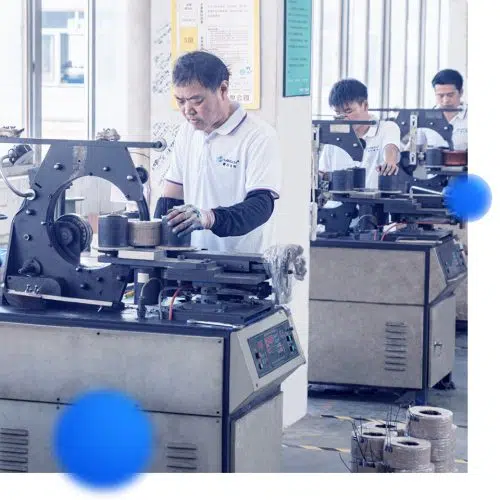
Conclusion: Keep Your Power Flowing
Fixing your inverter doesn’t need to be complicated. With this power inverter repair guide, you can diagnose and fix issues from basic cable checks to more advanced troubleshooting. Regular maintenance ensures long-lasting performance, saving you from costly repairs or replacements.
Explore the collection of power inverter repair solutions and replacement parts at MINGCH Electrical. Whether you’re dealing with an RV inverter repair or solar system maintenance, we’ve got the professional-grade tools and inverters to keep your power flowing—reliably and safely.


