




A 10000W power inverter is a device designed to convert DC power into AC power with a continuous output of up to 10 kilowatts. In practical terms, this capacity supports medium industrial loads, commercial backup systems, and advanced energy setups. This article explains what the rating truly means, how it performs in real systems, where it is applied, and how to size it correctly for long-term operation.
By the end, readers will understand power ratings, surge behavior, system design limits, and selection factors for engineering and procurement decisions.
Understanding the Meaning of “10000W” in Power Systems

kW vs. kVA: Why the Difference Matters
Power ratings are often misunderstood. Kilowatts (kW) describe real power that performs useful work. Kilovolt-amperes (kVA) describe apparent power, which includes both real and reactive components.
In engineering terms, a power inverter 10000w is selected based on real load demand, surge current, and operating temperature rather than nameplate power alone.
Most industrial loads operate at a power factor between 0.8 and 0.95. This means a system delivering 10 kW may require more than 10 kVA capacity at the inverter level.
Continuous Power vs. Peak Power

Continuous power refers to what the inverter can supply without overheating. Peak power describes short bursts during motor startup or transformer energization. Motors often draw two to three times their rated power during startup.
Ignoring surge capacity can cause voltage drops, thermal stress, or shutdowns.
What Can a 10kW-Level Inverter Support?
Typical Loads Explained with Simple Comparisons
A 10kW system can support multiple loads when managed correctly. Instead of running everything at once, engineers stagger usage.
| Equipment Type | Typical Power |
|---|---|
| Water pump (2 HP) | 1500–2200 W |
| Industrial fan | 500–800 W |
| Communication rack | 800–1200 W |
| Lighting circuit | 300–600 W |
| Control cabinet | 200–400 W |
Startup current and ambient temperature directly affect system margins.
Motor Starting and Heat Rise Considerations
Motors generate heat during startup. High ambient temperatures reduce inverter output capacity. Adequate airflow and thermal derating must be considered during system design.
Why Pure Sine Wave Output Is Critical
Limitations of Modified Waveforms
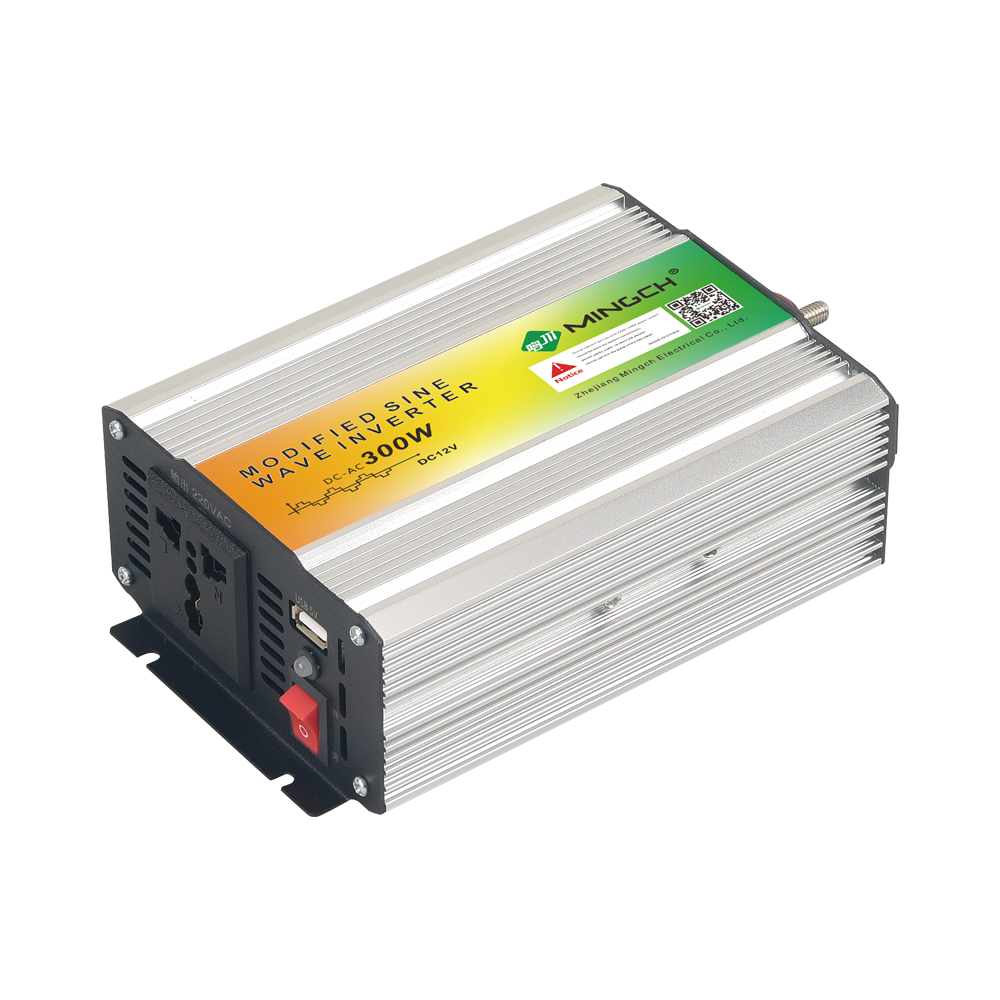
Modified sine wave inverters create stepped voltage outputs. These waveforms increase losses in motors, cause noise in communication equipment, and raise transformer temperatures.
Sensitive loads often show reduced lifespan under distorted waveforms.
Advantages of Pure Sine Technology

A 10000 watt pure sine inverter produces smooth AC output similar to utility power. These benefits:
- Inductive loads such as pumps and compressors
- Precision electronics and control boards
- Communication and monitoring equipment
Lower harmonic distortion also improves energy efficiency across the system.
DC Input and Voltage Configuration Explained
Why Input Voltage Affects System Design
High-power systems often use higher DC voltages to reduce current. Lower current reduces cable losses and heat buildup.
A 12v to 240v inverter 10000w requires a very high DC current, which increases copper size, connection stress, and installation cost. Many industrial systems instead use higher DC bus designs.
Industrial and Commercial Application Scenarios
Pumping Stations and Water Systems
In pumping stations, inverters must handle frequent motor starts and long operating hours. Stable output prevents cavitation, overheating, and bearing stress.
Communication Equipment Rooms
Telecom and data systems depend on stable voltage and low electrical noise. Inverters in these environments must maintain waveform quality under load changes.
Distributed Energy and Hybrid Systems
In solar and battery-based systems, inverter selection affects energy utilization and storage efficiency. Proper sizing prevents cycling losses and premature battery aging.
System Reliability Factors Engineers Must Evaluate

Thermal Management and Enclosure Design
Vent placement and airflow direction determine how heat leaves the system. Poor ventilation shortens component life and reduces usable output.
Rainproof vent designs support outdoor or semi-exposed installations without restricting airflow.
Protection and Monitoring Functions
Temperature sensing, overload protection, and short-circuit response prevent cascading failures. These features allow systems to shut down safely before damage occurs.
Scaling and Expansion for B2B Projects
Parallel System Configurations
Parallel operation allows capacity growth without replacing existing equipment. It also improves redundancy in mission-critical installations.
Cabinet and Rack Integration
Industrial cabinets support cable management, airflow control, and safety compliance. Modular cabinet systems simplify maintenance and upgrades.
Design Features Engineers Look for in Practice
MINGCH Electrical prioritizes functional design choices that support thermal stability, protection response, and installation flexibility. These details matter more than appearance in long-running systems.
Key design features include:
- Internal temperature sensing tied to control logic
Sensors monitor core components and trigger power reduction or shutdown before thermal stress occurs. - Directed airflow and optimized vent geometry
Vent paths are designed to move heat away from power modules instead of trapping it inside the enclosure. - Multiple enclosure options for different environments
Indoor cabinets focus on airflow efficiency, while outdoor designs balance ventilation with rain and dust protection.
Together, these features help systems operate consistently under changing loads, ambient temperatures, and installation conditions.
Selection Checklist Before Finalizing a System
Before specifying a 10000-watt power inverter, engineers should verify several system-level conditions, not just rated output.
Key points to confirm include:
- Actual load demand and startup surge: Measure continuous power and motor inrush current to avoid undervaluing peak requirements.
- Ambient temperature at the installation site: High temperatures reduce available output and increase thermal stress on internal components.
- DC input voltage and cabling strategy: Input voltage affects current levels, cable size, and overall system efficiency.
- Future expansion or parallel operation plans: Early planning avoids redesign when capacity needs increase later.
- Physical installation environment: Consider airflow, dust exposure, moisture risk, and enclosure clearance.
Skipping these checks often results in unnecessary oversizing, unstable operation, or early component degradation under real operating conditions.
Conclusion
Discover MINGCH Manufacturing Excellence
Step inside our factory to see how high-quality voltage regulators and inverters are engineered for precision and durability.
Explore Our FactorySelecting a 10000W power inverter is not only about power rating. It involves understanding load behavior, heat management, and system growth. Careful planning reduces downtime, simplifies maintenance, and protects connected equipment.
For engineers and procurement teams exploring scalable inverter systems, reviewing a collection of industrial inverter solutions from MINGCH Electrical can help align technical requirements with long-term system goals.
Frequently Asked Questions
1. What is a 10000W inverter?
It converts DC power into AC power with a continuous output capacity of 10 kW, supporting medium industrial and commercial loads.
2. Can it handle motor startup?
Yes, if surge capacity is considered. Motors can draw up to three times rated power during startup.
3. Is pure sine output necessary?
Yes. It reduces heat, electrical noise, and stress on motors and electronic equipment.
4. Why does input voltage matter?
Higher DC voltage reduces current, cable size, and heat losses in high-power systems.
5. Can systems be expanded later?
Yes. Parallel designs and cabinet solutions support future capacity increases.


